TABLE OF CONTENTS
In Melbourne, FL, the average cost to remove a 40-foot tree is not a simple height-based calculation. While online estimates suggest a $400-$600 price, the true tree service cost is driven by a risk-based formula considering accessibility, tree health, and the often-separate fees for stump grinding and debris removal.
The "Per-Foot" Fallacy: Why Simple Estimates Fail in Brevard County
If you've started your research on tree removal cost, you’ve likely come across a simple rule of thumb: about $10-$14 per foot of height. For a 40-foot tree, this quick math suggests a price tag of $400 to $560. It’s a neat, tidy number that feels reassuring. Unfortunately, for homeowners here on The Space Coast, from Viera to Palm Bay, that number is rarely the final price you’ll pay. It’s a baseline—a starting point from which the real-world complexities begin to add up.
This "per-foot" calculation is the biggest misconception in our industry. It completely ignores the factors that determine the safety, difficulty, and duration of the job. A 40-foot Sabal Palm standing alone in the middle of a large front yard in West Melbourne is a vastly different project than a 40-foot water oak with branches hanging over your roof, your fence, and your neighbor's property line in a dense Satellite Beach neighborhood. They are the same size, but they do not carry the same cost.
The reality is that tree felling services are less about height and more about mitigating risk. At Plan-It Lawn And Landscaping, our family-owned and operated team has seen it all across Brevard County. We know that a professional tree service quote isn't just a number; it's a comprehensive risk assessment. National averages confirm this variability; data shows that the cost to remove a tree between 30 and 60 feet tall can range anywhere from $450 to $1,200, demonstrating a wide variability not explained by height alone. This massive price difference comes down to the critical factors that simple online calculators just can't see.
The Real Cost Factors: Our Risk-Based Formula Explained
So, if height isn't the main driver, what is? The true removal cost is a multiplication of three core variables: Accessibility, Health, and Cleanup. A professional tree service doesn't just ask "how tall is the tree?"; they ask "how difficult and dangerous is it to get this tree on the ground safely, and what does the client want done with the aftermath?" Let's break down each component of this formula.
Factor 1: The Accessibility Premium (The Single Largest Cost Multiplier)
Of all the variables, the location of your tree is paramount. This is what we call the "Accessibility Premium." A tree’s proximity to structures, power lines, or other obstacles is the single biggest factor that can inflate the price from the baseline. This is where the skill of a certified arborist and the need for specialized tree removal equipment become non-negotiable.
Consider these common Melbourne, FL scenarios:
- Proximity to Your Home or Structures: Does the tree loom over your roof, your lanai, or your swimming pool? Is it nestled tightly between your house and your neighbor's? In these cases, our professional team can't simply yell "timber!" and let it fall. The removal process becomes a surgical operation. Limbs must be carefully cut, rigged with ropes, and lowered piece by piece to avoid catastrophic damage. This meticulous, high-risk work takes significantly more time and expertise, directly increasing labor costs.
- Proximity to Power Lines: A tree tangled with or located near power lines is one of the most hazardous scenarios. This work requires coordination with utility companies and a team with specific training to work in such a high-risk environment. The danger involved means a higher price to ensure safety protocols are followed to the letter. This isn't a job for an amateur; it's a situation that demands a licensed and insured professional.
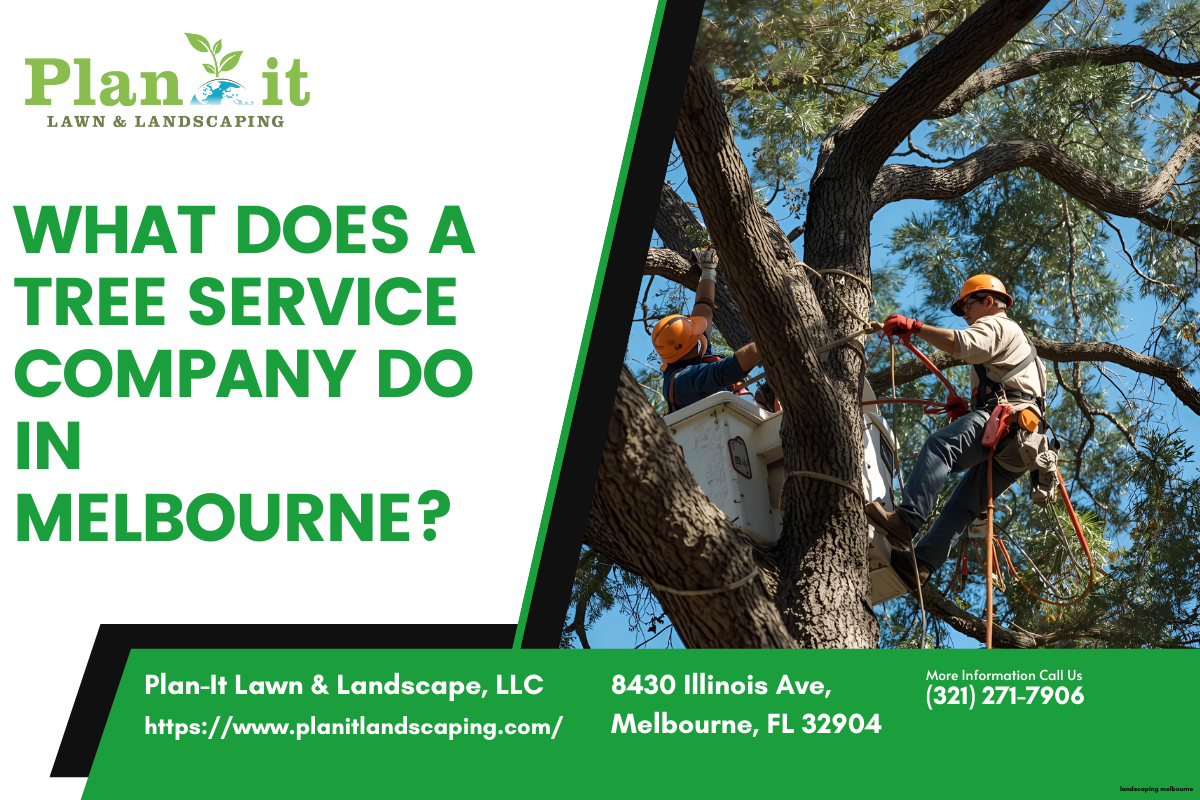
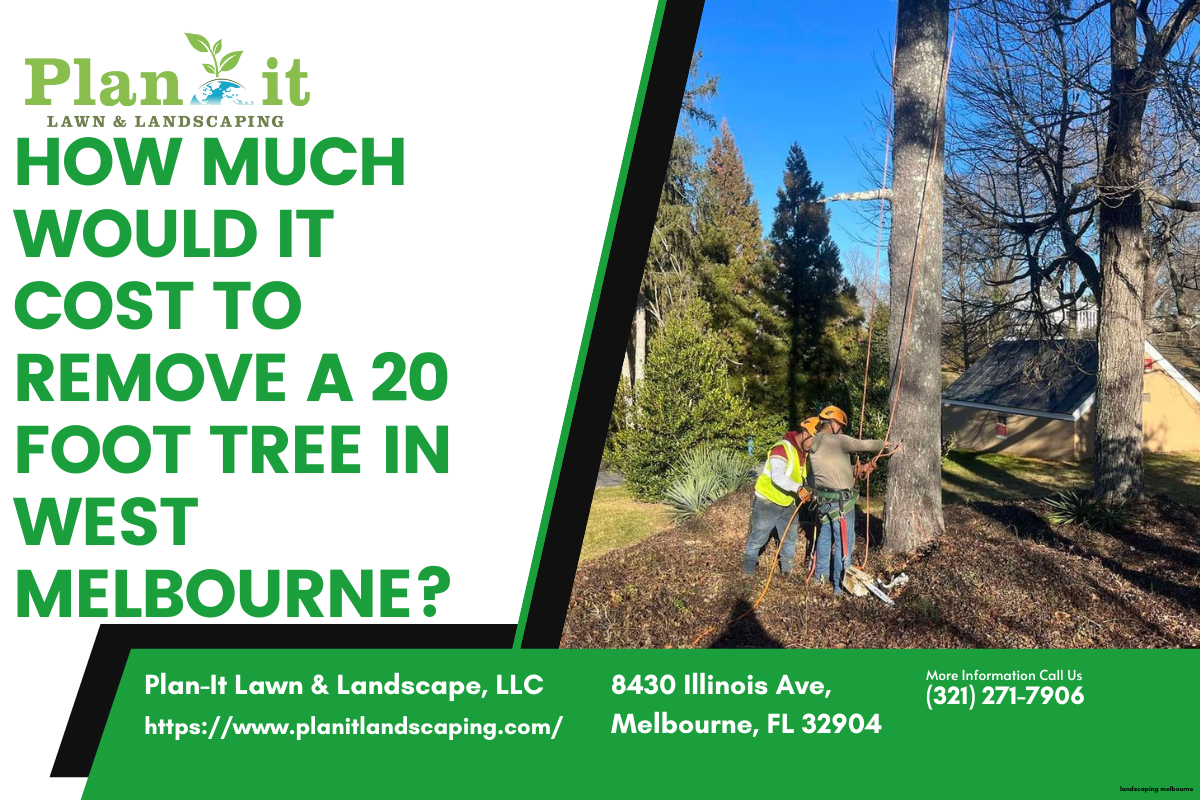
- Backyard vs. Front Yard: Is the tree easily accessible from the street, like in many front yards in Rockledge? Or is it tucked away in a backyard in Indialantic, blocked by fences, sheds, and immaculate landscaping? If our bucket truck services can’t reach the tree, the job requires skilled climbers to ascend the tree and dismantle it manually. This is specialized, physically demanding work. Furthermore, every piece of debris—from small limbs to large sections of the trunk—must be carried out by hand, dramatically increasing the time and manpower needed for the job.
Each of these accessibility challenges can increase the final price by up to 50% or more. In extreme cases of storm damage cleanup, where a tree has already fallen on a structure, the complexity and risk skyrocket. In fact, an emergency tree removal in a high-risk scenario can cost up to $5,000, illustrating how risk factors can dramatically increase the price far beyond a standard estimate. This is why a free estimate from a reputable company involves an on-site visit, not just a glance at a photo.
Factor 2: The Health Hazard Variable (Why a Dead Tree Isn't Cheaper)
It seems logical to assume that a dead or dying tree would be cheaper to remove. It's already on its way out, right? This is a dangerous and costly assumption. In reality, a compromised tree often increases the risk and, therefore, the cost of removal.
Here’s why the health of the tree plays a crucial role in pricing:
- Structural Instability: A healthy, living tree has predictable structural integrity. A tree surgeon or climber knows where they can safely anchor their ropes and make their cuts. A dead tree, however, is a ticking time bomb. The wood can be brittle and rotten. Limbs can snap unexpectedly. The trunk could be hollowed out by pests or disease. This unpredictability makes the entire operation more dangerous for the crew.
- Specialized Removal Techniques: Our professional team must treat a dead tree with extreme caution. A climber may not be able to ascend it at all, necessitating the use of a bucket truck or even crane assisted tree removal, which are significant cost factors. The tree might have to be braced or secured before any cuts are made, adding extra steps and time to the process. A hazardous tree assessment is the first step in formulating a safe plan.
- Increased Risk for Property: The unpredictable nature of a dead tree also increases the risk to your property. A limb that snaps without warning could fall on your roof or fence. This heightened risk requires more careful planning and execution, which is reflected in the tree cutting prices.
A tree health evaluation is a critical part of any legitimate tree service quote. While a healthy pine tree removal might be straightforward, a dead oak tree removal of the same size could be a much more complex and expensive project. Don't let the appearance of a dying tree fool you into expecting a discount; safety is paramount, and safe removal of a hazardous tree often requires more resources.
Factor 3: The 'All-In' vs. 'Base' Quote (The Hidden Costs of Cleanup)
You’ve received a quote that seems incredibly low compared to others. Before you celebrate, you need to ask one critical question: "What does this price actually include?" Many lowball quotes are for "felling and dropping" only. This means the tree service company will cut the tree down and leave you with a 40-foot trunk, a mountain of branches, and an unsightly stump in your yard. This is where the "hidden costs" come in.
A comprehensive, all-in quote from a company like Plan-It Lawn And Landscaping will break down these additional services, which are essential for a finished job. It's no secret that these additional services like debris removal or stump grinding will cost extra. Let’s look at what you need to consider:
Debris Hauling and Wood Chipping
A 40-foot tree creates an enormous amount of debris. Getting rid of it is a significant job. It involves cutting all the branches and the trunk into manageable pieces, running them through a powerful wood chipper, and hauling away multiple truckloads of chips and logs. This requires heavy equipment and hours of labor, and it should be itemized on your quote.
Stump Grinding
Stump grinding is almost always a separate line item. This process uses a stump grinder to obliterate the tree stump down to several inches below the soil line. The cost can range from $100 to $400 or more, depending on the stump's diameter and the accessibility for the equipment. Without this service, you're left with a tripping hazard that can attract pests like termites and ants.
Stump Removal
Often confused with grinding, complete stump removal is a much more intensive and expensive process. It involves excavating the entire root ball of the tree. This is usually only necessary for construction or major landscaping projects and can significantly increase the overall removal cost due to the labor and equipment involved in tree root removal and fixing the resulting large hole in your lawn.
When you get a quote, make sure you're comparing apples to apples. A "base" quote might look like a bargain, but once you add the hundreds of dollars required for stump grinding and debris hauling, it may end up being more expensive than a transparent, "all-in" quote from a reputable tree service. Our posted plan for any project is to provide clarity and ensure you know exactly what service you are paying for.
Comparing Your Options: Simplified Estimates vs. Comprehensive Quotes
Understanding the difference between a quick online estimate and a professional, on-site quote is key to making an informed decision for your Melbourne property. They serve very different purposes.
Simplified Height-Based Estimates
Pros:
- Fast and Easy: You can get a general idea of cost in seconds without talking to anyone.
- Good for Initial Budgeting: It provides a low-end starting number to help you begin your financial planning.
Cons:
- Highly Inaccurate: Fails to account for the most significant cost factors: accessibility, tree health, and cleanup.
- Potentially Misleading: Can lead to "sticker shock" when real quotes come in, or worse, can lure you into hiring a less-reputable service that cuts corners.
- Lacks Professional Assessment: Does not include a hazardous tree assessment or risk evaluation from an ISA Certified Arborist.
Comprehensive, Risk-Based Quotes
Pros:
- Accurate and All-Inclusive: Provides a firm price based on a thorough, in-person inspection of the tree and your property. Every variable is accounted for.
- Prioritizes Safety: The quote is the result of a professional risk assessment, ensuring a safe plan for your property, your family, and the removal crew.
- Transparent: A quality quote from local tree services will itemize costs for tree removal, stump grinding, and debris hauling, so you know exactly what you're paying for.
- Peace of Mind: You're working with a licensed and insured professional who understands the specific challenges of residential tree removal in Brevard County.
Cons:
- Requires an Appointment: You need to schedule a time for an arborist to visit your property.
- Appears Higher Initially: The number will almost certainly be higher than a simple online estimate because it reflects the true, all-in cost of the job done correctly and safely.
Frequently Asked Questions About Tree Removal in Florida
As a leading provider of landscaping and professional tree services on The Space Coast, we get a lot of questions from homeowners. Here are answers to some of the most common ones we hear.
Do I need a permit to cut down a tree on my property in Florida?
This is a common and important question. In 2019, Florida state law (F.S. 163.045) was updated to prohibit local governments from requiring a permit for the removal of a tree on residential property if a certified arborist or licensed landscape architect provides documentation that the tree presents a danger to persons or property. However, this does not mean you can cut down any tree you want. The City of Melbourne and Brevard County may still have regulations, especially concerning "specimen" or "historic" trees. Furthermore, many Homeowners Associations (HOA) in communities like Viera have their own strict rules. The best practice is always to check with a professional tree service. We are familiar with the City of Melbourne regulations and local HOA rules and can provide an arborist report to ensure you are fully compliant.
I saw online that certain trees can be cut down without permission in Victoria. Does that apply here?
This is a great example of how online information can be confusing. "Victoria" in this context almost always refers to the state of Victoria in Australia, which has its own set of environmental laws. It does not apply to any location in Florida or the United States. It's a reminder to always seek local expertise. Regulations about which Florida tree species can be removed are specific to our state, county, and sometimes even our city. Rely on local tree service companies who understand the rules right here in Melbourne, FL.
Is it cheaper to perform extensive tree trimming or just cut down the tree?
In the short term, a significant tree trimming service, sometimes called canopy lifting or tree pruning services, is almost always cheaper than a full removal. However, the long-term cost depends on the tree's health and your goals. If a tree is diseased, structurally unsound, or simply the wrong species for its location (e.g., a large oak too close to your foundation), repeatedly paying for pruning services is just a temporary fix. It may be more cost-effective in the long run to invest in removal and replace it with a more appropriate tree. A tree health evaluation from a certified arborist can help you make the best financial and horticultural decision.
How big of a tree would cost $1,000 to remove?
This question brings us back to our core thesis. A $1,000 price tag isn't determined by size alone. You could reach that cost with a 35-foot tree in an extremely difficult location, or it could be a 70-foot pine in an open field. For a 40-foot tree in Melbourne, you might hit the $1,000 mark if it has a very large trunk diameter, is in poor health, and its branches are intertwined with power lines and extend over your house, requiring crane assisted tree removal and including all-in costs for stump grinding and debris hauling. The price is a reflection of risk and labor, not just a simple measurement of height or size.
Making the Right Choice for Your Needs
The best approach to tree removal depends entirely on your specific situation, your property, and your priorities. There is no one-size-fits-all answer, but we can offer guidance based on whom we typically serve in the Melbourne area.
For the Budget-Conscious Homeowner
You've likely started with an online estimator and are now looking at professional quotes that are higher than you expected. It's crucial to understand that the higher price reflects a complete and safe job. That quote from a licensed and insured company includes the cost of insurance to protect you, the proper equipment to protect your home, and the labor for complete cleanup. Scrutinize the low-cost quote. Does it include debris hauling? Is stump grinding extra? Is the company fully insured? A low price often means hidden costs or unacceptable risks.
For the Risk-Averse Property Manager
Your primary concern is a hazardous tree—one that is dead, leaning, or threatening a building. For you, the lowest price is not the main priority; safety, liability, and professionalism are. You need a comprehensive, risk-based quote from an ISA Certified Arborist. This quote is not just a price; it's a documented plan of action. It should detail the specific equipment to be used (like a bucket truck), the methodology for safely dismantling the tree, and proof of liability and worker's compensation insurance. This documentation protects your property, your tenants, and your investment.
For the Project Planner
You're overseeing a larger landscaping services project, lot clearing, or land clearing effort. For you, the all-in cost is the most important figure for accurate budgeting. You need a quote that clearly itemizes every single phase: the tree felling services, the stump grinding (or complete stump removal if necessary), the debris hauling, and even soil grading afterward. You need to know the final cost to get the property to its next stage. An "all-in" quote from a company that provides comprehensive landscaping and tree services is essential for keeping your project on time and on budget.
Ultimately, the true cost to remove a 40-foot tree in Melbourne, FL, is the price of having the job done safely, completely, and professionally. The number you see on a quote is a direct reflection of the risk, labor, and equipment required to protect your property. As a family-owned business deeply rooted in the community, Plan-It Lawn And Landscaping is committed to providing transparent, fair, and comprehensive quotes that prioritize your safety and peace of mind. Our professional team is ready to provide the expertise your property deserves.
For a personalized assessment and a free, no-obligation estimate that accurately reflects the unique needs of your property, contact our expert team at Plan-It Lawn And Landscaping today. We’ll help you understand the true costs and create a safe plan for your tree removal needs.

Featured Posts





.png)