TABLE OF CONTENTS
For Melbourne, FL homeowners, the best time to schedule a tree trimming service isn't a single month but a strategic schedule. The optimal time depends on critical hurricane preparation (before June), legally mandated mangrove seasons (October through March), and your specific tree's horticultural needs. A professional tree trimming service helps protect your property while preserving the health of your trees and supporting our unique Space Coast ecosystem.
The "Best Month" Myth: Why Generic Florida Advice Fails Melbourne Homeowners
If you search online for when to prune trees in Florida, you'll often see "late winter" as the standard answer. While not entirely wrong, this advice is dangerously incomplete for us here in Melbourne, FL. Our coastal environment in Brevard County, situated squarely in USDA Hardiness Zone 9b, faces a unique set of challenges that a one-size-fits-all approach simply ignores. Relying on generic advice from an Orlando-based blog or a statewide guide can lead you to miss the critical window for hurricane preparedness or, even worse, unknowingly violate state environmental laws.
The truth is, asking for the single "best" month is like asking a mechanic for the single "best" time to service a car without telling them the make or model. A Live Oak in Viera has different needs than a waterfront mangrove near the Eau Gallie Causeway, and a Queen Palm in a Palm Bay yard requires a different touch than a flowering Crepe Myrtle. At Plan-It Lawn And Landscaping, we've learned from years of local experience that the key to healthy, safe trees in Melbourne is not a date, but a strategy. This strategy must balance storm safety, legal compliance, and the long-term health of your specific trees.
The Strategic Trimming Calendar for Melbourne, FL
Instead of thinking about one month, it's more effective to think about windows of opportunity, each with a specific goal. A proper tree care plan maps out the entire year to address different needs at the optimal time.
The Hurricane Prep Window (Late Winter to Early Spring: February - May)
This is arguably the most critical period for any tree service in Melbourne, FL. Hurricane season officially begins June 1st, and the time to prepare is long before a named storm is churning in the Atlantic. During this window, our focus shifts from general aesthetics to safety and structural integrity. This is the ideal time for:
- Structural Pruning: This involves making corrective pruning cuts to improve the tree's architecture. For young trees, this means young tree training to encourage a strong, single dominant trunk. For mature trees, it means addressing poor branch structure that could fail in high winds.
- Crown Thinning: By selectively removing certain branches within the tree canopy, we can allow wind to pass through more easily rather than pushing against it like a sail. This significantly reduces the risk of the entire tree uprooting during a storm.
- Hazard Reduction Pruning: We conduct a thorough tree risk assessment to identify and remove weak, dead, or cracked branches that pose a direct threat to your home, vehicles, or power lines. This proactive deadwooding is essential for hurricane preparedness.
Waiting until summer is too late. The wet season brings frequent thunderstorms that can complicate the work, and once a hurricane watch is issued, demand for emergency tree service skyrockets. Getting this work done in the calm, dry season months gives you peace of mind.
The Mangrove Mandate (Fall to Winter: October 1 - March 14)
For those living along the Indian River Lagoon or its canals in communities like Indian Harbour Beach and Satellite Beach, mangrove trimming comes with a strict set of rules. These vital coastal trees are protected by the Florida Department of Environmental Protection (FDEP). You cannot just prune them whenever you want to improve your view.
The state has a specific, legally-mandated season for this work. For mangroves, trimming between the months of October and March is most desirable as this is when they experience the least amount of growth. Furthermore, this work must be performed or supervised by a Professional Mangrove Trimmer (PMT) who is certified by the state. Attempting to trim mangroves outside this season or without the proper credentials can result in significant fines. This is a critical piece of local regulation that a generic guide would completely miss.
General Horticultural Health (Timing Varies by Species)
Beyond safety and legal requirements, we also prune for the long-term health and beauty of your trees. This is where the specific tree species dictates the best time.
- Deciduous Trees (like Oaks and Elms): The general advice holds true here. For most deciduous trees, the best time to prune is between late fall and very early spring, when diseases and insects are dormant. This allows you to clearly see the branch structure and promotes a strong burst of new growth in the spring.
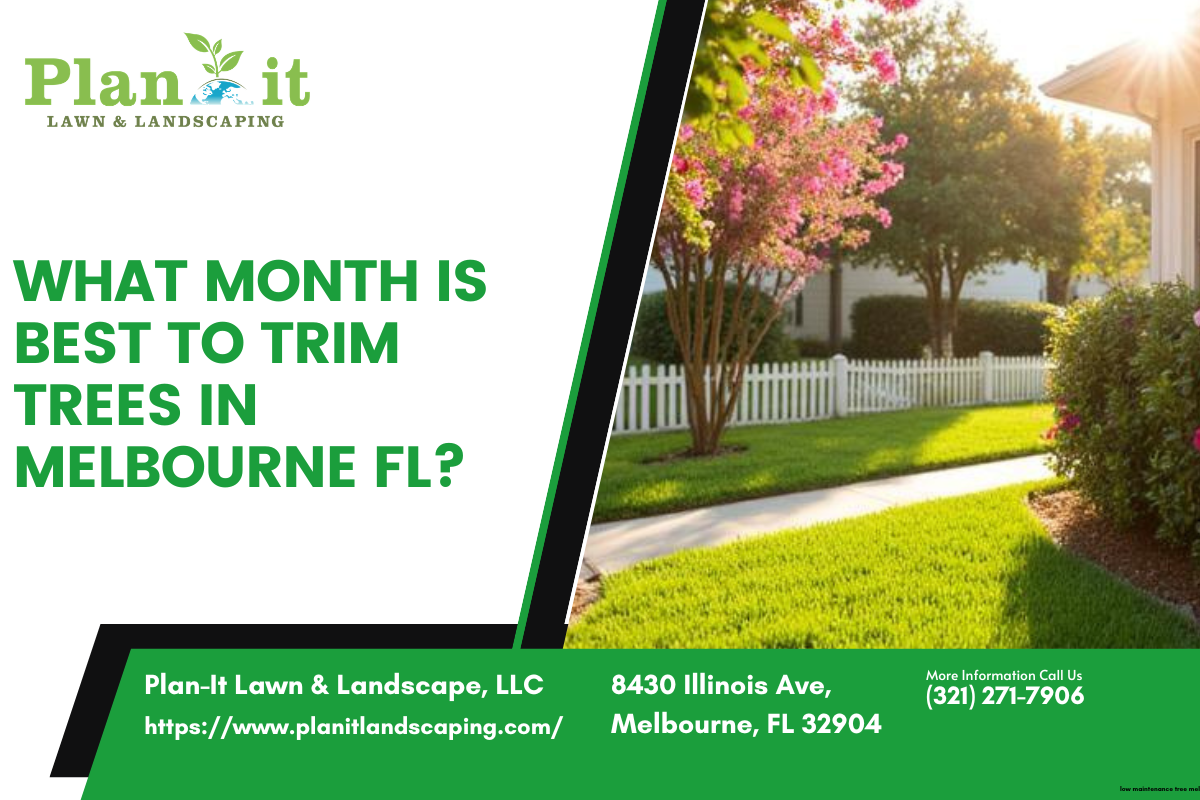
- Flowering Trees (like Crepe Myrtle and Magnolia Trees): The golden rule is to prune these *after* they finish their bloom cycle. If you prune a Crepe Myrtle in early spring, you'll cut off the wood that produces the summer flowers, resulting in a lackluster display.
- Palm Trees (like Sabal Palm and Queen Palm): Palms are technically not trees and have unique needs. You should only ever remove brown, completely dead fronds. Cutting green or even yellowing fronds can rob the palm of vital nutrients and induce tree stress, making it more susceptible to pest infestation. Never remove the "boot" from a Sabal Palm, as this can damage the trunk.
- "Bleeder" Trees: Certain species are known for producing a heavy flow of tree sap when pruned at the wrong time. Certain trees known as 'bleeders' (including Maple, Walnut, and Birch) will have an excessive flow of sap if pruned in late winter and early spring. While not typically fatal, it's messy and can weaken the tree. It is best to prune these species in the summer or fall after the leaves have fully developed.
Year-Round Imperatives: When Tree Trimming Can't Wait
While we have strategic windows for major pruning, some situations demand immediate attention regardless of the month. The distinction between trimming for tree health versus safety is crucial. You should never wait to address a branch that is dead, diseased, or damaged. These limbs are a constant hazard and can break at any time, not just during a hurricane. They can also allow fungal growth and pests to enter the healthy parts of the tree. Deadwooding is a year-round component of any good plant health care program and seasonal maintenance schedule.
Similarly, if a storm causes damage or a tree suddenly poses a risk to property or power lines, you need an emergency tree service. A certified arborist can assess the situation any day of the year to ensure your yard is safe.
Common and Costly Pruning Mistakes to Avoid in Brevard County
Knowing when to prune is only half the battle. Knowing what *not* to do is just as important. Here are some common mistakes we see homeowners in Melbourne make:
- Tree Topping: This is the destructive practice of indiscriminately cutting the tops off trees. It's often done under the mistaken belief that it makes a tree safer. In reality, tree topping creates weakly attached new branches that break easily in windstorms, ironically making the tree more hazardous in the long run. An ISA Certified Arborist will never recommend topping.
- Ignoring Local Regulations: As discussed with mangroves, local rules matter. Some municipalities within Brevard County may have ordinances or require tree permits for the removal or major pruning of certain "grand" trees, like large Live Oaks. Always check before starting a major project.
- Making Improper Pruning Cuts: Leaving a long stub or cutting too flush against the trunk can prevent the tree from healing properly. This invites decay and disease. Proper pruning techniques are essential for protecting the long-term health of the tree's root system and overall structure.
- Over-Pruning: Removing more than 25% of a tree's canopy in a single year can cause significant tree stress. This is especially true for our local palm trees. Less is often more when it comes to keeping your trees healthy and resilient.
Analyzing Your Trimming Strategy: Key Factors for Melbourne Residents
To determine the right approach for your property, you need to weigh several factors. Here’s a breakdown of what to consider.
Hurricane Season Preparedness
This is the top priority for property protection on the Space Coast. The primary goal is to reduce wind resistance and remove hazardous limbs *before* the season begins on June 1st. This involves structural pruning and crown thinning, best performed from February to May.
Compliance with Mangrove Trimming Laws
If you have mangroves on your property, this is a non-negotiable legal requirement. All trimming must be done within the FDEP-mandated window of October 1st to March 14th and must be handled by a Professional Mangrove Trimmer (PMT).
The Specific Species of the Tree
The biology of the tree dictates the best time for horticultural pruning. Oaks are best pruned while dormant in winter, flowering trees like Crepe Myrtles after they bloom in summer, and palms only require the removal of dead fronds, which can be done any time.
The Tree's Overall Health and Structural Safety
This factor can override any calendar. Dead, damaged, or diseased limbs should be removed immediately, regardless of the season, to prevent further decay and eliminate safety hazards. This is a matter of ongoing tree maintenance, not a once-a-year task.
Making the Right Choice for Your Needs
As you can see, there is no single "best" month. The right time depends entirely on your property, your trees, and your priorities. Let's tailor the advice for different types of Melbourne homeowners.
For the Hurricane-Prepper Homeowner
Your primary focus is minimizing storm damage. Your most important window is February through May. During this time, schedule a professional tree risk assessment. Have a certified arborist perform structural pruning and thin the canopy on your large trees, especially those near your home or power lines. This proactive investment is one of the best you can make to protect your property.
For the Waterfront Property Owner
Your main concern is legal compliance. Your calendar is set by the state: October 1st to March 14th is your time to act on mangroves. Your first step should be to contact a company with a certified Professional Mangrove Trimmer (PMT) on staff to discuss your goals and ensure all work is done legally and responsibly, protecting both your view and our vital coastline.
For the Aesthetic Gardener
You are focused on the long-term beauty and plant health care of your landscape. Your timing is dictated by the specific species in your yard. Create a tree care plan that marks the dormant season (late fall/winter) for pruning your Live Oak, the period just after flowering (mid-to-late summer) for your Crepe Myrtles, and schedules periodic checks throughout the year to remove dead fronds from your palms.
Ultimately, a strategic, year-round approach to tree maintenance is the most effective way to keep your property in Melbourne, FL, both safe and beautiful. It requires a deeper understanding than a simple date on a calendar, balancing the forces of nature with the needs of horticulture and the rule of law. For a personalized assessment of your trees and a clear, year-round tree care plan tailored to your specific needs, contact our expert ISA Certified Arborist team at Plan-It Lawn And Landscaping today for a free consultation and quote.

Featured Posts









.png)